
📌 Key takeaways
- Virtual reality (VR) immerses the traveller in a destination or activity reconstructed in 3D, before, during or instead of the real visit.
- Its three major uses in tourism: inspiring before booking, enriching the on-site visit, and making otherwise-closed sites accessible.
- The VR-in-tourism market is growing strongly and is supported in France by public calls for projects such as “Immersive Culture and Metaverse” (France 2030).
- Getting started takes five steps: goal, format (360° photo or video, or VR headset), production, distribution, then conversion into a booking.
- Budget from a few hundred euros for a 360° camera to several thousand euros for a bespoke VR experience produced by a specialist.
Imagine a future customer who, from their living room, puts on a headset and finds themselves already at the top of your via ferrata, breathless, before even booking. Or that visitor who, glasses on, watches a ruined castle rebuild itself stone by stone in front of them. Virtual reality is no longer a trade-show gadget: it’s becoming a genuine tool for seduction and sales in tourism. It gives a taste of the experience before purchase, lifts the barriers to the decision and turns simple curiosity into the urge to go. You just have to understand what it really covers, distinguish its useful uses from passing fads, and know how to integrate it without swallowing your budget. This guide reviews virtual reality applied to tourism: its definition, its concrete uses, its real benefits for an activity provider, and the five-step method to get started, right up to turning wonder into a booking.
What is virtual reality applied to tourism?
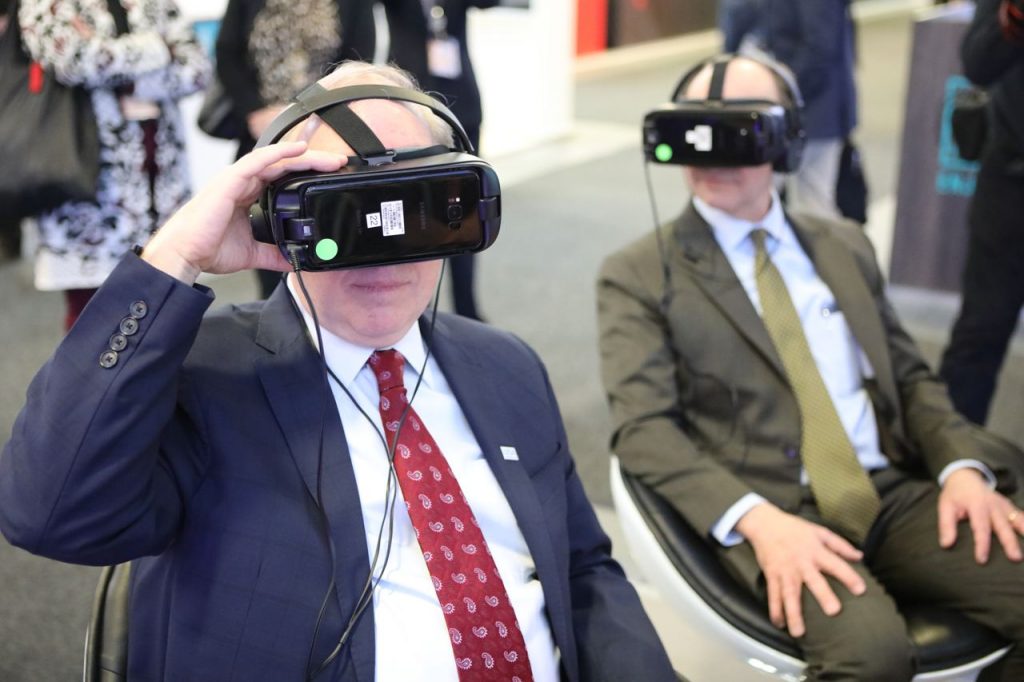
Virtual reality in tourism means reconstructing a place or an activity as immersive 360-degree images, which the traveller explores as if they were there, most often through a headset or simply their phone screen. Where a photo shows, VR makes you experience: the viewer turns their head, looks up, feels present. It’s the difference between looking at a postcard and setting foot on the beach.
What’s the difference between virtual, augmented and mixed reality?
Three distinct technologies are often confused. Virtual reality (VR) completely replaces the real world with a reconstructed environment, headset over the eyes. Augmented reality (AR) overlays information onto the real world, for example tour indications on the screen of a smartphone pointed at a monument. Mixed reality combines the two, anchoring virtual objects in physical space. Public authorities group these three families under the term immersive technologies (French Directorate-General for Enterprise).
Do you necessarily need an expensive headset?
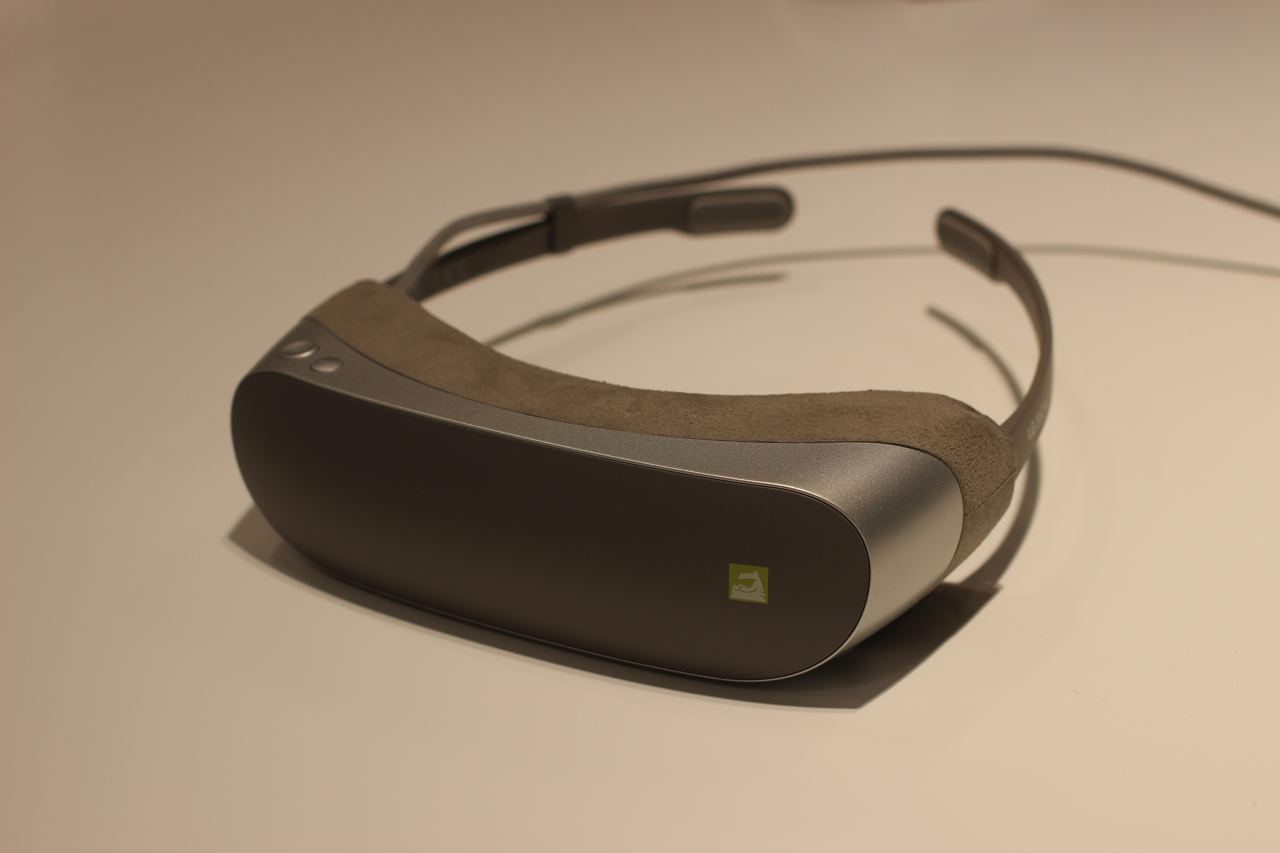
No, and it’s a stubborn misconception. An immersive experience can be viewed just as well on a smartphone screen, by dragging your finger to look around, as in a high-end headset. Between the two, cardboard viewers costing a few euros turn any phone into a VR viewer. The standalone headset offers the strongest sensation, but it’s only essential for on-site uses, in a shop or at a trade show.
What are the uses of virtual reality in tourism?
Virtual reality doesn’t only serve to impress: it meets precise commercial and cultural goals. For an activity provider, the interest depends on the moment in the customer journey where it comes in, as this overview summarises:
| Use | Moment | Main benefit |
|---|---|---|
| Inspire and make people dream | Before booking | Lift barriers, trigger the urge to buy |
| Enrich the visit | During the experience | Reconstruct a vanished site, tell a story |
| Substitute the visit | Instead of travelling | Open closed sites or make them accessible to people with reduced mobility |
| Train teams | Behind the scenes | Prepare guides and staff without mobilising the field |
In tourism promotion, it’s mainly the first use that dominates: VR has become a flagship medium for wooing the future traveller. It naturally extends the other immersive formats already used in a good tourism marketing strategy, such as video, spatialised sound or 360-degree visuals.
💡 Good to know: Virtual reality isn’t reserved for big museums or regional tourist offices. A kayak renter can film a descent with a 360° camera for €400 of equipment, and a mountain guide can offer an immersive preview of their route directly from their booking listing.
Why integrate virtual reality into your tourism strategy?
Beyond the novelty effect, VR acts on three concrete levers: conversion, accessibility and differentiation. It doesn’t replace the real experience, it increases its perceived value before purchase.
Why does VR help sell more activities?
A customer rarely hesitates for lack of desire, but for fear of getting it wrong: is the photo faithful, is the activity worth its price, is it too physical for me? By letting people try before buying, VR answers these doubts better than any text. It reduces uncertainty at the decisive moment and mechanically increases conversion. It’s the same lever as the fitting room: you buy more readily what you’ve already felt. This logic directly extends the best practices for selling your guided tours online.
🎯 Our tip: At Tourbiz, what we observe among our clients is that an activity listing rich in immersive media converts far better than a bare-text one. Emotion creates desire, but it’s a visible booking button right next to it that turns it into a sale. Never separate the two.
Why is VR also an accessibility and sustainability matter?
Virtual reality opens otherwise-closed sites: fragile caves, monuments under restoration, places off-limits to the public for their conservation. It also offers a window on the world to people with reduced mobility, and reduces some physical travel, and therefore the associated carbon footprint. This dual stake, cultural and environmental, is so strategic that the French state now funds immersive projects via the France 2030 plan (French Ministry of Culture).
💡 Ready to turn emotion into bookings?
Showcase your finest immersive experiences and make them bookable in one click with Tourbiz, the all-in-one tourism software. Free trial, no card required.
Create my free accountHow to get started with virtual reality for your tourism activity?
No need to aim for a Hollywood production to begin. Here’s a realistic five-step method, with the tools, their costs and the precise action to take, for a provider starting from scratch.
Step 1: define your goal
Before buying any equipment, clarify what VR should achieve for you. This reflection step is free and conditions everything else. Choose one priority among:
- Sell: make people want to book from your site or social media.
- Enrich: add an immersive layer to an already-paid visit.
- Make accessible: open a closed or hard-to-reach place.
Step 2: choose the right format
The format determines the budget and complexity. No need to produce a headset experience if a 360° video on your site is enough. Compare the options according to your goal and means:
| Format | Indicative cost | Ideal for |
|---|---|---|
| 360° photo | from €0 (recent smartphone) | First tests, product listings |
| 360° video | €300 to €600 of equipment | Inspiration, social media |
| VR headset experience | €3,000 to €15,000 bespoke | On-site, trade shows, museums |
Step 3: produce the immersive content
Time to film. You can do it yourself with a consumer camera or delegate to a specialist studio depending on your quality requirement. Here are the price benchmarks to anticipate:
| Option | Price | What you get |
|---|---|---|
| Consumer 360° camera (Insta360, GoPro Max) | about €400 to €550 | Self-produced content, ready to publish |
| 3D scan of a place (Matterport-style) | from €150 per site | Navigable virtual tour |
| Bespoke VR provider | €1,500 to €5,000 per experience | Turnkey high-end production |
Step 4: distribute the experience
Immersive content sitting on a hard drive brings in nothing. Distribute it where your customers will see it, and adapt the medium to each channel of your social media strategy in tourism:
- On your website, embedded directly in the activity listing.
- On social media, as native 360° video on Facebook or YouTube.
- On-site, via a cardboard viewer costing a few euros or a Meta Quest headset (about €350) in a shop.
Step 5: convert immersion into a booking
This is the step most people forget, and yet it’s the one that pays. An immersive experience with no call to action is a lost emotion. Systematically link the VR content to a booking button, with no friction. This connection is included free in most booking tools. Check these points:
- A book button visible immediately after or next to the experience.
- A payment journey in under two minutes, on mobile first.
- Tracking the conversion rate of pages containing immersive media, to measure the real effect.
⚠️ Watch out! Don’t fall into the trap of technology for technology’s sake. A magnificent VR experience that’s impossible to book right away only enriches your competitors’ experience, where the customer will end up buying. Immersion must always lead to a clear purchase journey.
How does Tourbiz turn VR’s wonder into bookings?
Let’s be honest: producing virtual-reality experiences isn’t our job, and we won’t pretend otherwise. Ours begins just after, at the precise moment when wonder must become a paid booking. That’s where our booking software comes in: we handle the whole process, from order to payment, so the desire sparked by your immersive content never fades for lack of a button.
Concretely, we let you display a booking module directly on your site, next to your 360° video, thanks to our widgets. We then centralise all bookings in a single back office and distribute your activities, immersive media included, across a dozen platforms like GetYourGuide or Viator where rich visuals boost conversion. You create the emotion, we take care of turning it into revenue.
Conclusion
Looking for a new angle? Our list of tourism business ideas is a good place to spark inspiration.
Virtual reality is no longer a futuristic curiosity reserved for big groups: it’s an accessible lever, from a few hundred euros, to make your customers dream, open your sites to all and stand out. Its real strength isn’t technological, it’s commercial: letting people feel before buying lifts the last barriers to booking. Start modestly, with a simple 360° video of your flagship activity, measure its effect on your sales, then move upmarket if it’s worth it. And never forget the step that really counts: linking each immersive emotion to a simple, immediate booking journey. That’s where the magic turns into customers.